
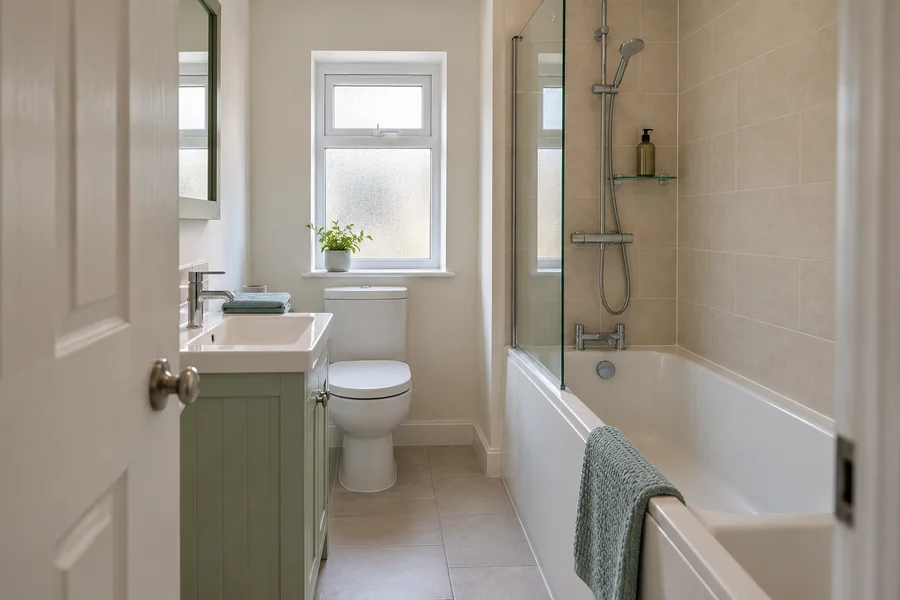
You do not need a finished design to contact Bathroom Fitters Greenock. A few clear details help make the conversation about your home and the changes that matter to you.
Your postcode, a contact number and a short description of the room are enough to begin.
Describe the main change
Say whether you are replacing a main bathroom, refreshing an en-suite or considering a bath-to-shower conversion. Explain the problem you most want to solve: awkward storage, an uncomfortable shower, a tired finish or a layout that no longer suits your routine. These details give us a useful starting point for your bathroom design and installation before every product has been chosen.
Gather the details you already have
Room photographs and approximate measurements can help describe the space. Include the doorway, window and existing fittings where useful, avoiding personal documents or private information in photographs. If you already own products, keep model numbers and dimensions handy. Final suitability and measurements still need checking before orders or work are agreed.
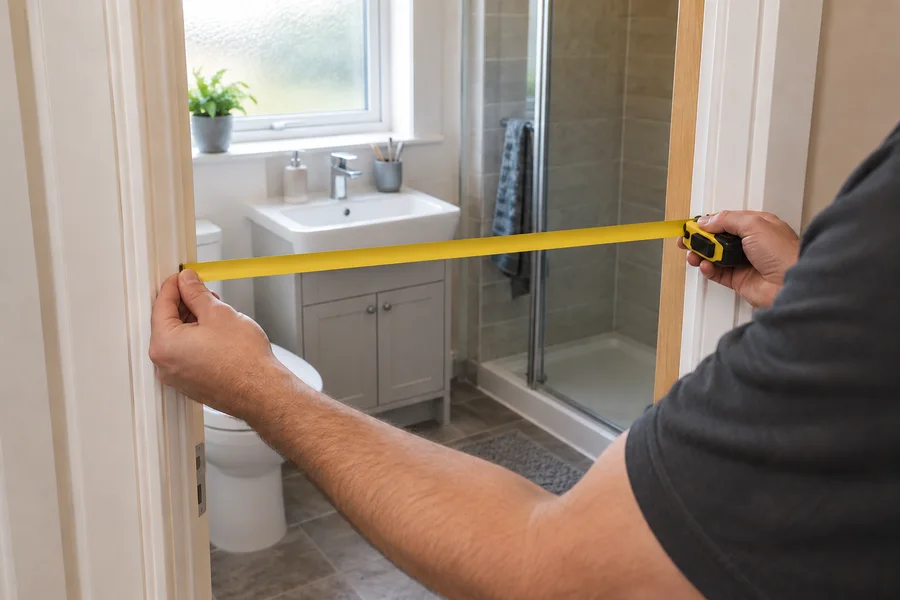
Explain access and timing before fitting
Tell us if it is the only bathroom in the home or if the room is reached by shared stairs. Discuss access, parking arrangements and any particular times when work would be difficult. If you have a preferred completion period, describe it as a preference so availability and product lead times can be considered without assuming a booking has been made.
Know what the first contact does
Calling or sending the form starts a discussion of your plans and location. It does not book installation or commit you to a quotation. Use our bathroom planning guide to agree the fitting work and products, then confirm the price, payment arrangements and dates in writing. If we cannot answer the telephone, use the short form and include a convenient time to contact you.
Show the room before choosing the replacement
A first conversation is easier when the fitter can understand what is there now. Take a clear view from the doorway and another from the opposite side if it is safe to do so. Include the shower opening, basin, toilet and window where possible. Add a close-up only when it explains a specific problem, such as a drawer catching another fitting. Keep private paperwork, medicines and personal details out of the picture. Do not remove panels, move heavy fittings or disturb electrical parts to provide more information. Photographs help explain the room; they do not replace the checks needed before fitting. Ask how the business would like to receive them after the initial contact rather than sending a large collection without knowing whether it will be useful.
Make a sketch that explains the awkward parts
Draw the room shape and mark approximate wall lengths, doors and windows. Include the door swing, radiator and boxed-in pipes. Show where drawers or a shower screen open and explain any point where movement is difficult. Write the units beside measurements and make clear that they are your own approximate figures. The installer will need to confirm accurate dimensions before ordering products. Your sketch is useful because it highlights what you notice while living with the room. It might show that a towel rail sits behind the open door or that a cupboard can only be reached when the shower screen is closed. These everyday details can help the fitter understand the improvement you need before you have chosen a new suite or decided whether major fittings should move.
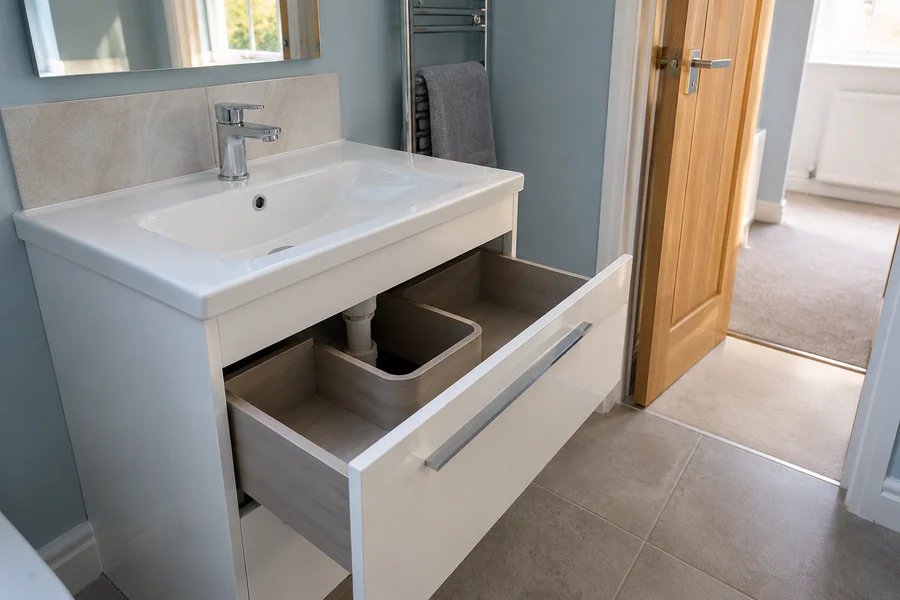
List what is already decided and what is still open
Tell the fitter if you have bought products or agreed work with another trade. Keep the model names, sizes and fitting information available so suitability can be checked. If you have only saved ideas, explain what you like about them rather than presenting them as a final design. Say which changes are essential and which depend on cost or available space. Our bathroom quote checklist helps you check whether your budget includes products, preparation, fitting and decorating. Mention any date you are aiming for, but leave fitting arrangements to be confirmed after the work and deliveries have been checked. Separating decisions from preferences makes the conversation clearer and helps prevent an early idea or rough price being mistaken for the final room you have agreed to buy.
Finish the conversation knowing the next step
Ask what information is needed next and how the room, products and quotation will be checked. Make a note of any photographs, product details or access information you have agreed to provide. Confirm the best contact number and when you can usually discuss the job. You do not have to choose every colour during the first call. The useful result is that both sides understand the bathroom work you are considering and what needs to happen before a price or fitting date can be confirmed. Keep any later layout, product list and quote together so changes are easy to follow. Calling or submitting the enquiry form begins that discussion; it should not leave you uncertain about whether work has been booked or which decisions you still need to make.
Your checklist
- Postcode and the best telephone number
- Type of bathroom and top priority
- Any products already purchased
- Only-bathroom, access or timing considerations